
Service Runs Sized Right the First Time
Utility and Electrical Infrastructure Installation in Springfield for rural properties requiring new service runs and meter bases
Rural Robertson County parcels in Coopertown, Cedar Hill, and Orlinda frequently need new service runs and meter base installations for outbuildings, farm structures, and new home sites. Sizing the service entrance and meter base correctly for the anticipated load is a critical step often underestimated on rural builds, and undersizing means a costly upgrade when equipment is added later. Krantz Electric Inc has nearly 20 years of experience serving Robertson County, including rural and farm-adjacent properties where infrastructure planning determines whether electrical capacity matches long-term needs.
The work involves coordinating with the local utility to establish service at the property line, installing a meter base rated for the anticipated load, and running service entrance wiring from the meter to the main panel. Load calculation includes not just the initial structure, but any equipment likely to be added within a few years—well pumps, shop tools, electric heaters, or agricultural equipment. Underestimating this load means the meter base and service entrance wiring must be replaced when capacity is exceeded.
Schedule a property consultation to assess service entrance requirements and coordinate utility timelines for your new structure.
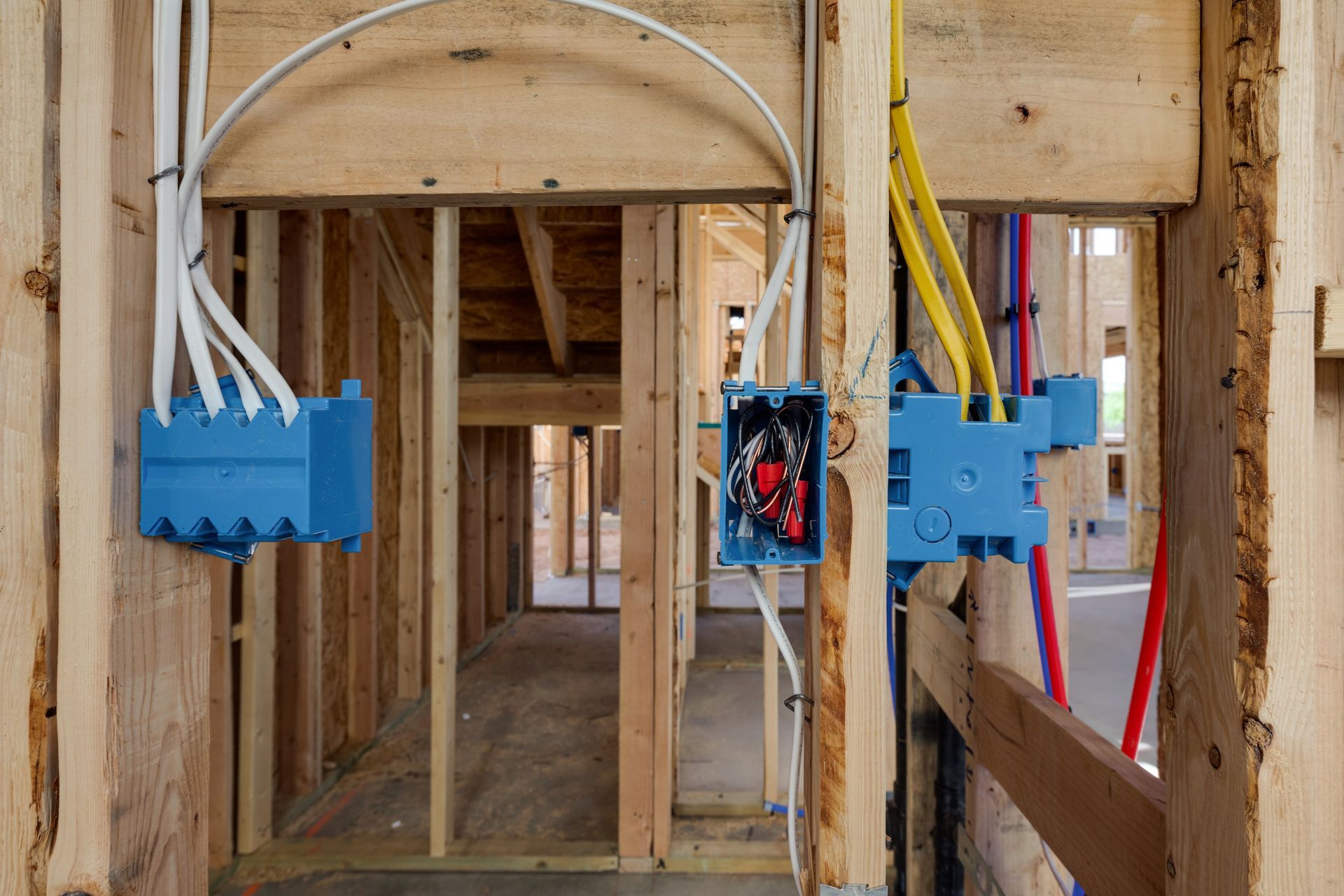
What Proper Infrastructure Sizing Requires
Infrastructure installation begins with determining total anticipated load, which involves listing all equipment planned for the structure plus a margin for future additions. A 200-amp service handles most residential and light agricultural needs, while properties with heavy equipment, multiple outbuildings, or electric heating may require larger capacity. The service entrance conduit, meter base, and wire gauge must all match the calculated load to avoid bottlenecks.
Once the infrastructure is installed, power is available at the structure, the meter base is inspected and sealed by the utility, and equipment operates without voltage drop or breaker trips. Property owners notice that well pumps, workshop tools, and lighting all function simultaneously without overload, and there's capacity available for additional equipment without requiring a service upgrade. Coordination with the utility ensures the meter is set and service is live within the expected timeframe, which keeps construction schedules on track.
The scope includes trenching or overhead routing depending on site conditions, grounding rod installation to meet code, and final inspection to verify that all connections are safe and properly rated. Properties with multiple structures may also require sub-panels fed from the main service entrance.
What Property Owners Ask About Infrastructure Work
Utility infrastructure work in rural Robertson County involves load planning, utility coordination, and site-specific routing decisions, and these questions address how to size service correctly and avoid delays.
What happens if the service entrance is undersized for future equipment?
The meter base, service entrance wiring, and conduit must all be replaced to increase capacity, which involves a second utility coordination and inspection—sizing correctly during initial installation avoids this expense.
How does rural Robertson County property layout affect infrastructure installation?
Parcels in Coopertown, Cedar Hill, and Orlinda often require longer service runs from the utility line to the structure, which increases wire gauge requirements and affects whether overhead or underground routing is more practical—local familiarity with these conditions ensures accurate planning.
What's the difference between a meter base and a main panel?
The meter base mounts outside and houses the utility meter, while the main panel distributes power to individual circuits inside the structure—both must be rated for the total anticipated load.
When should utility coordination begin for a new service run?
At least two to four weeks before power is needed, as the utility company requires advance notice to schedule meter installation and service connection—starting this process early prevents construction delays.
Why does load calculation matter for outbuildings and farm structures?
Underestimating load means the service entrance cannot handle equipment like welders, air compressors, or electric heaters, which leads to frequent breaker trips and the need for a costly upgrade—planning for anticipated equipment during initial installation prevents this scenario.
Krantz Electric Inc handles utility and electrical infrastructure installation for rural and new-build Robertson County properties, with local familiarity that ensures service entrance sizing matches long-term needs. Request an on-site review to assess your property's service requirements and coordinate utility timelines.