
Lighting Built for Middle Tennessee Weather
Outdoor Lighting Installation in Springfield for properties with large lots and rural acreage exposed to humidity and temperature swings
Decorative-grade outdoor lighting installed by landscaping crews fails within a season because fixtures are not rated for the humidity, hard freezes, and storm exposure that Springfield-area properties face year-round. The difference between working lights and corroded failure points comes down to weatherproof fixture ratings and correctly buried underground feed runs done to code depth. Krantz Electric Inc installs outdoor lighting as a code-compliant electrical installation—not an afterthought—using proper materials, proper burial depth, and proper connections on residential properties throughout Robertson County.
The work includes running underground feed wire in conduit buried at code-required depth, installing weatherproof junction boxes rated for direct burial or exterior exposure, and mounting fixtures with gaskets and seals intact to prevent moisture intrusion. Skipping burial depth compliance is the most common cause of early outdoor lighting failures, particularly on large-lot and rural acreage homes where frost heave and ground movement stress shallow-buried wire.
Arrange an on-site consultation to review your property layout and lighting requirements.
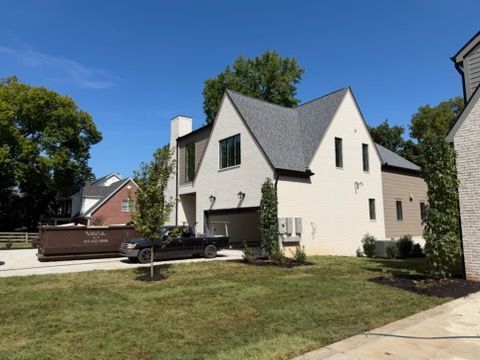
Why Outdoor Lighting Fails Early and How to Stop It
Outdoor lighting systems fail when moisture enters junction boxes, when underground wire is buried too shallow and gets damaged by freeze-thaw cycles, or when fixture housings lack proper weatherproof ratings and corrode from the inside out. Middle Tennessee's temperature swings between summer humidity above 90 percent and winter freezes below 20 degrees create conditions that expose every weak point in an installation. Using landscape-grade components instead of electrician-grade weatherproof materials accelerates failure and leads to full system replacement within two years.
After installation, you see landscape and architectural features lit consistently without flickering or dead zones, fixtures that continue operating through rain and freeze events without tripping circuits, and junction points that remain dry and corrosion-free during seasonal inspections. The system operates on dedicated circuits sized for the total lighting load, preventing voltage drop that dims distant fixtures.
The installation includes transformer sizing when low-voltage lighting is used, circuit protection appropriate to wire gauge and run length, and fixture mounting that prevents water pooling inside housings. It does not include landscape design or plant placement, which remains the landscaper's responsibility.
Answers to Frequent Outdoor Lighting Questions
Homeowners with larger properties in Springfield and surrounding Robertson County areas often ask about burial requirements and fixture longevity before committing to permanent outdoor lighting systems.
What burial depth is required for underground lighting wire in Springfield?
Underground wire feeding outdoor lighting must be buried at least 18 inches deep when run in conduit, or 24 inches when direct burial cable is used without conduit—shallower installations risk damage from frost heave, landscaping equipment, and ground settling common on Robertson County properties.
How does weatherproof fixture rating affect how long outdoor lights last?
Fixtures rated for wet locations have sealed housings and gasketed lenses that keep moisture out even during driving rain, while decorative fixtures rated only for damp or dry locations corrode internally once water enters—wet-rated fixtures last years longer in Middle Tennessee's humidity and storm exposure.
Why do some outdoor lights flicker or dim at the end of long runs?
Voltage drop occurs when wire gauge is too small for the circuit length and lighting load, causing distant fixtures to receive lower voltage than those near the transformer or panel—proper wire sizing based on total run length and wattage eliminates this problem.
When is the best time to install outdoor lighting on new construction properties?
Installation happens after final grading and before landscaping is planted, so underground wire can be trenched and buried without disturbing finished beds or damaging root systems—coordinating this timing with your landscaper prevents rework and keeps installation costs down.
What maintenance does outdoor lighting require after installation?
Annual inspections check junction box seals, fixture gaskets, and wire connections for moisture intrusion or corrosion, and bulbs are replaced as they fail—systems installed to code with proper weatherproof components require minimal maintenance beyond these checks.
Krantz Electric Inc has been in business since 2005 serving Robertson County properties including large-lot and rural acreage homes. Schedule a property evaluation to identify specific lighting locations and circuit requirements.