
Pool Electrical That Passes Inspection First Try
Swimming Pool Electrical Services in Springfield for properties requiring NEC-compliant bonding and GFCI protection
Pool electrical failures at inspection happen because equipotential bonding—the code-required connection of all metal pool components—is routinely underperformed by crews unfamiliar with NEC pool code. Krantz Electric Inc handles swimming pool electrical work in Springfield with full knowledge of pool bonding requirements, GFCI installation standards, and subpanel wiring for residential properties throughout Robertson County. You need this service when installing a new pool or addressing inspection failures on existing installations where bonding was done incorrectly or skipped entirely.
The work includes equipotential bonding of all metal components within five feet of the pool structure, GFCI circuit protection on all required pool equipment, and subpanel wiring sized to handle pump, heater, and lighting loads simultaneously. Robertson County's hot and humid summers drive residential pool installations, and local inspectors enforce NEC bonding and GFCI requirements strictly—improperly done pool electrical creates serious shock hazards and fails inspection every time.
Schedule a property evaluation to review your pool electrical requirements and inspection timeline.
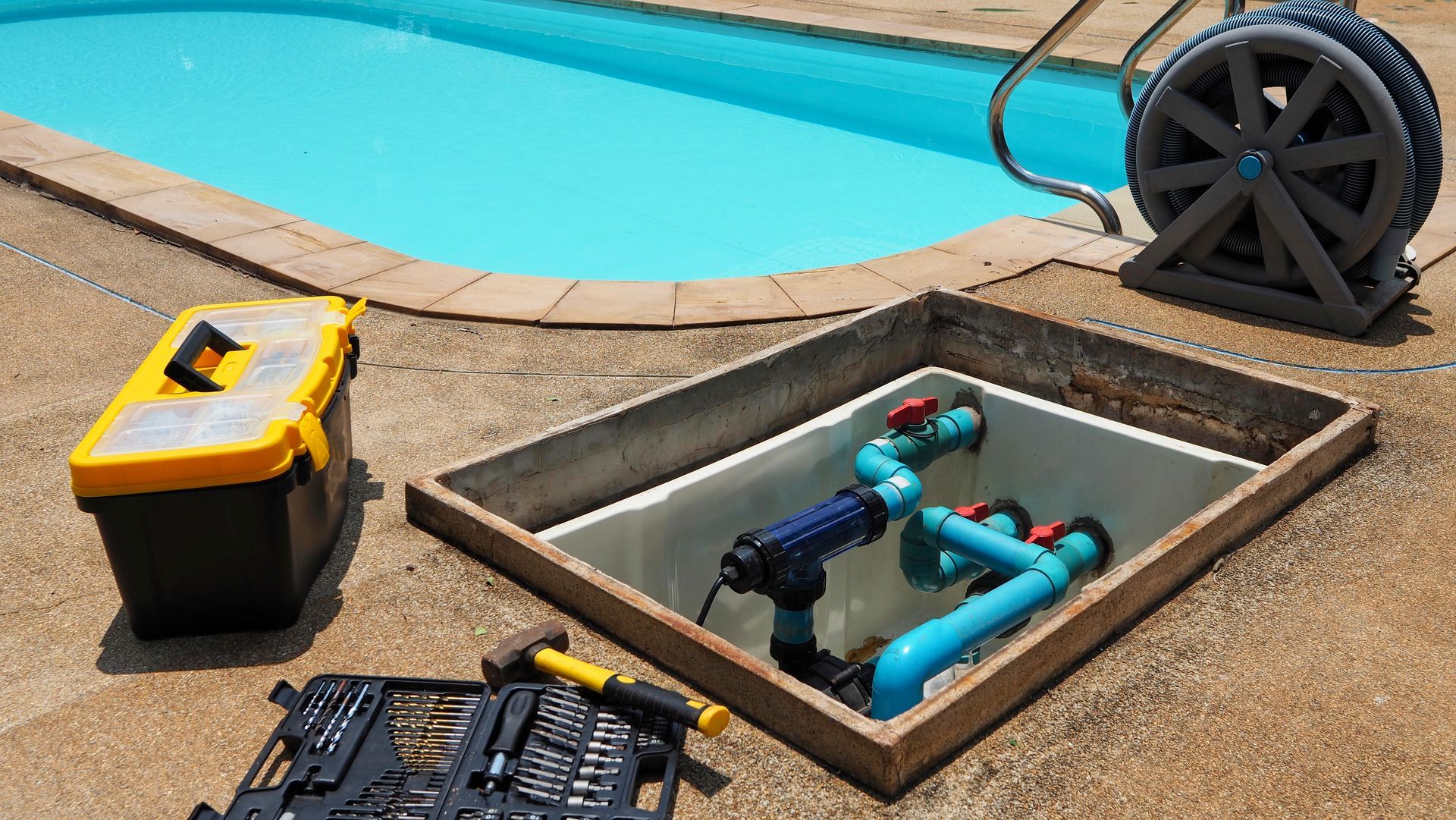
What Proper Pool Bonding Actually Requires
Pool bonding connects ladder rails, handrails, light housings, pump housings, heater shells, and any other metal components to a continuous bonding grid using solid copper conductors sized per NEC Article 680. This grid ties all metal to the same electrical potential, eliminating voltage differences that cause shock hazards when standing in water and touching metal simultaneously. The bonding conductor runs underground in a continuous loop around the pool perimeter and connects to reinforcing steel within the pool shell itself.
Once the work is complete, you notice that all pool equipment operates safely without tripping GFCI breakers under normal use, inspection stickers are applied without delays or reinspection fees, and metal components around the pool do not carry stray voltage. Krantz Electric Inc performs this work using the correct wire gauge, proper connection methods, and full documentation for the inspection process.
The service includes subpanel installation when the main panel lacks capacity for pool loads, dedicated GFCI breakers for each required circuit, and conduit runs to all pool equipment locations. It does not include landscaping restoration after underground runs or pool equipment startup, which the pool company handles separately.
Common Questions About Pool Electrical Work
Pool electrical installations in Robertson County require licensed electrical work separate from the pool construction itself, and homeowners often have questions about bonding requirements and inspection timelines before scheduling the work.
What is equipotential bonding and why does pool electrical require it?
Equipotential bonding connects all metal components around the pool to a common grounding grid so no voltage difference exists between any two metal surfaces a person might touch while in contact with water—this prevents shock hazards that occur when metal parts carry different electrical potentials.
How does pool electrical work get inspected in Springfield?
The electrical inspection happens after underground conduit and bonding wire are installed but before concrete decking is poured, so the inspector can verify bonding connections and wire sizing—missing this inspection window means removing finished concrete to expose the work.
What happens if my pool company offers to handle the electrical work themselves?
Pool construction crews without an electrical license cannot pull permits or perform code-compliant bonding in Robertson County, and work done without proper permitting fails inspection and must be redone by a licensed electrician before the pool can be legally energized.
Why do GFCI breakers trip on pool equipment even when nothing is wrong?
Undersized GFCI breakers or shared circuits cause nuisance tripping when pump and heater loads start simultaneously—dedicated circuits with properly rated breakers eliminate this problem and allow all equipment to run without interruption.
When should I schedule pool electrical work relative to pool construction?
Electrical rough-in happens after the pool shell is set and plumbing is stubbed but before decking forms are built, typically within a two-week window during the construction schedule—coordinating this timing with your pool contractor prevents delays and ensures inspection access.
Krantz Electric Inc has served Robertson County since 2005 with nearly 20 years of residential electrical work in Middle Tennessee, including full NEC pool code compliance. Request a detailed estimate based on your pool specifications and construction timeline.