
Dedicated Circuits That Charge Without Tripping
EV Charger Installation in Springfield for Nashville-area commuters adding Level 2 home charging
Krantz Electric Inc installs Level 2 EV chargers on dedicated 50-amp circuits sized for full-speed charging without tripping under load. The work serves residential properties throughout Robertson County, including new subdivisions along Highway 41 in White House and Greenbrier where Nashville-area commuters are purchasing EVs and need reliable home charging. You need this when your vehicle manufacturer recommends Level 2 charging, when overnight charging on a standard 120-volt outlet takes too long to replace daily driving range, or when you want charging speeds that restore 25 to 30 miles of range per hour.
Installation includes running a dedicated circuit from the main panel to the charger location, mounting the Level 2 charging unit on an exterior wall or garage interior, and verifying that the circuit breaker, wire gauge, and charger amperage all match manufacturer specifications. Repurposing an existing circuit or undersizing the wire causes the breaker to trip repeatedly under charging load, which forces the vehicle to charge at reduced speed or not at all.
Request a detailed estimate based on your panel capacity and charger location.
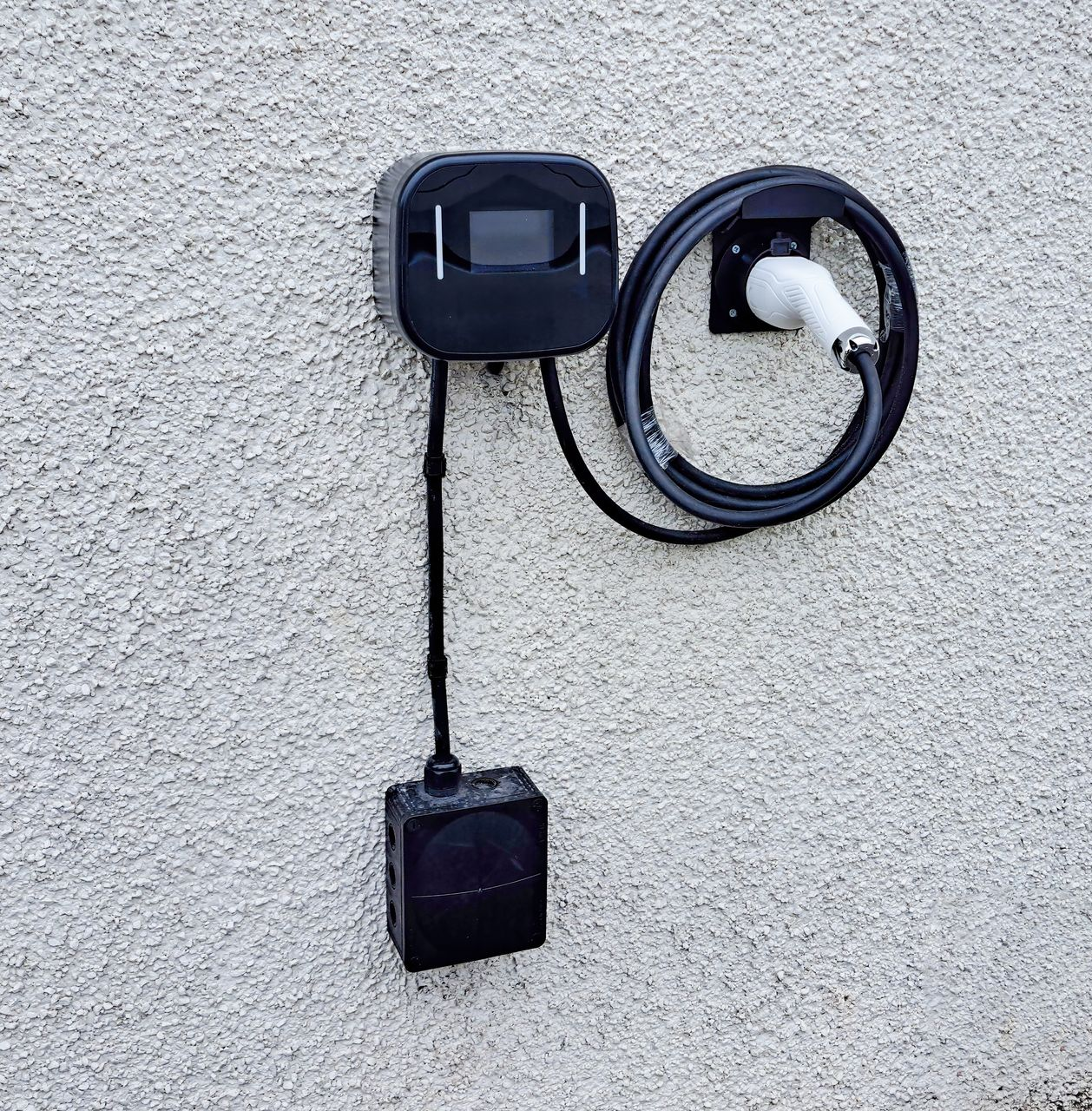
How Level 2 Charging Circuits Are Sized Correctly
Level 2 chargers draw continuous load at 40 amps, which requires a dedicated 50-amp circuit per NEC code—the breaker must be rated 125 percent of the continuous load to prevent nuisance tripping. The circuit runs on 6-gauge wire for most residential installations, though longer runs may require 4-gauge wire to prevent voltage drop. A licensed electrician evaluates your main panel to confirm it has available breaker slots and total amperage capacity to support the new circuit without overloading the service.
After installation, your EV charges at full manufacturer-rated speed without interruption, the dedicated circuit handles continuous overnight loads without tripping, and the charger unit is mounted securely with weatherproof connections if installed outdoors. The system is permitted and inspected, which matters for resale value and insurance coverage.
The service includes breaker installation, conduit runs to the charger location, and mounting hardware appropriate to the wall surface. It does not include charger unit purchase, which you handle separately, or driveway trenching if the charger mounts on a detached structure far from the main panel.
What Property Owners Usually Ask
Homeowners in Robertson County and the greater Nashville area often have questions about circuit sizing and panel capacity before scheduling EV charger installations.
What happens if my main panel does not have room for a 50-amp breaker?
Panels without available slots require a subpanel installation or a main panel upgrade to add the necessary breaker space—an electrician evaluates your current panel during the estimate and identifies whether additional work is needed before the charger circuit can be installed.
How does a dedicated circuit differ from plugging the charger into an existing outlet?
Dedicated circuits are sized specifically for the continuous 40-amp load that Level 2 chargers draw, while standard household outlets are rated for only 15 or 20 amps and will trip immediately under EV charging load—using an existing outlet is not a viable option for Level 2 charging speeds.
Why do some EV chargers trip breakers even on new circuits?
Undersized wire gauge, incorrect breaker amperage, or loose connections cause tripping under continuous load—proper installation matches wire size to circuit length and uses torque-rated connections that do not loosen over time, eliminating nuisance trips.
When should I install an EV charger relative to purchasing the vehicle?
Installation can happen before or after vehicle purchase, but scheduling it before delivery ensures charging is ready immediately and allows you to confirm your home's electrical system can support the load without panel upgrades that delay the project.
What permits are required for EV charger installation in Springfield?
Electrical permits are required for all dedicated circuit work in Robertson County, and inspections verify that wire sizing, breaker rating, and installation methods meet code—permitted work protects resale value and ensures insurance coverage in the event of electrical issues.
Krantz Electric Inc has been in business since 2005 with Generac-certified electrical system expertise applicable to dedicated circuit work. Arrange an on-site consultation to review your panel capacity and charger mounting location.